Garage door openers in Los Angeles tend to stop working for surprisingly simple reasons, power interruptions after a heatwave, a tripped breaker, or something as basic as a dead remote battery. But sometimes the issue runs deeper. Misaligned safety sensors, broken torsion springs, worn gears, disconnected trolleys, or incorrect limit settings can all prevent the door from opening or closing properly.
If your garage door opener is not working in Los Angeles, start with the basics. Check for power. Replace remote batteries. Make sure nothing is blocking the safety sensors. And then, if the problem feels heavier, louder, or slightly dangerous, pause. Some components, especially springs and cables, are under high tension and should only be handled by professionals.
At Top Deal Garage Doors, we see these issues almost daily across Los Angeles County. And honestly, most homeowners try at least one DIY fix before calling. Sometimes it works. Sometimes it does not. This guide walks through the eight most common causes, in plain terms, with practical troubleshooting steps and when to call for service.
Why Garage Door Openers Fail So Often in Los Angeles
Los Angeles homes experience conditions that quietly stress garage systems. Heat expands metal tracks. Coastal moisture corrodes components. Rolling blackouts and power fluctuations are not unusual. Even dust buildup, especially in inland neighborhoods, can affect sensors.
Garage door openers are mechanical and electrical systems working together. When one small part fails, the whole system can stall. I have noticed that homeowners often assume the opener motor is dead. In reality, that is not usually the case. It is often something smaller.
Let’s break down the most common causes.
1. No Power Supply to the Garage Door Opener
It sounds obvious. But it is the first thing to check.
What Happens
The opener does nothing. No lights. No hum. No response from the wall switch.
Possible Causes
The unit is unplugged
A circuit breaker has tripped
GFCI outlet has reset
Power surge after an outage
In Los Angeles, brief outages happen more often than people realize. A sudden flicker during peak AC usage can trip the breaker feeding your garage.
What to Check
Confirm the opener is plugged in securely.
Check the breaker panel.
Test the outlet with another device.
Look for a reset button on the opener.
If the breaker keeps tripping repeatedly, stop. That suggests an electrical short or motor issue. At that point, scheduling a garage door opener repair service is safer than guessing.
2. Dead Remote or Keypad Batteries
This one feels almost embarrassing when it turns out to be the issue. But it happens constantly.
Symptoms
Wall switch works, remote does not.
Keypad lights flicker or do not respond.
Intermittent operation.
Why It Happens
Remote batteries weaken gradually. You may think the opener is failing because the range seems shorter. In reality, the signal is just weaker.
Fix
Replace the batteries in:
Remote controls
Wireless keypads
Even car-integrated systems, sometimes
If replacing batteries does not work, the remote may need reprogramming. Check your opener manual. Or consider professional help if reprogramming fails.
3. Misaligned or Blocked Safety Sensors
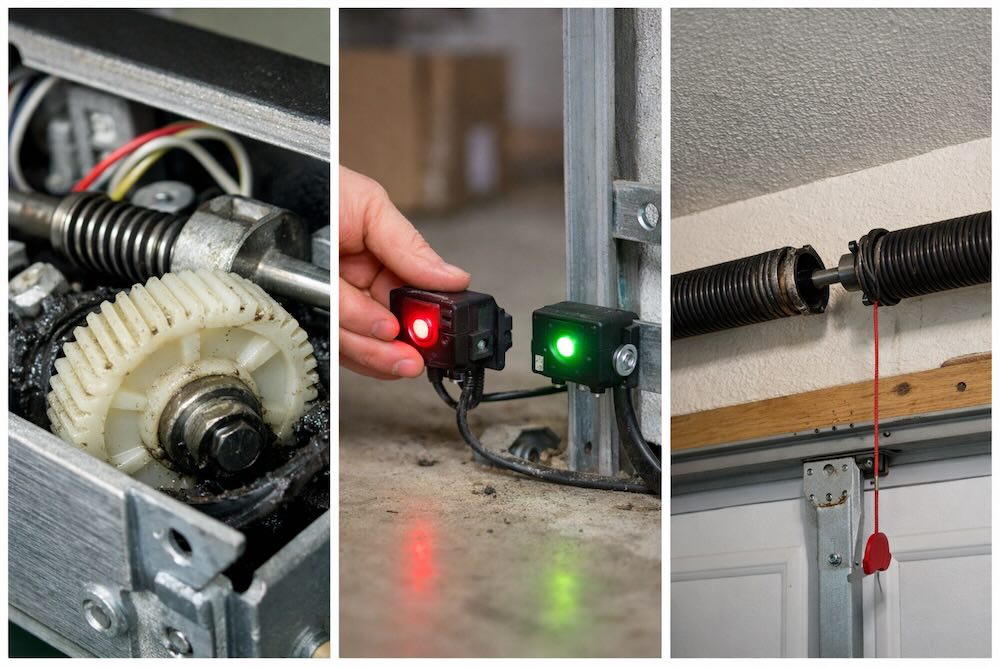
Safety sensors, also called photo-eye sensors, sit near the bottom of the door track. They send an invisible beam across the opening. If something interrupts that beam, the door will not close.
Common Symptoms
Door starts to close, then reverses.
Door will not close unless you hold the wall button.
Blinking sensor lights.
Los Angeles garages collect dust quickly. Sometimes just wiping the sensor lens with a clean cloth solves the problem.
Troubleshooting Steps
Remove debris around the sensors.
Check alignment. Both sensor lights should be steady, not blinking.
Gently adjust brackets if they appear slightly off.
If alignment does not fix it, wiring may be damaged. Rodents, believe it or not, sometimes chew low-voltage wiring.
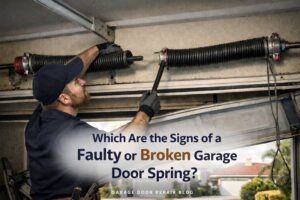
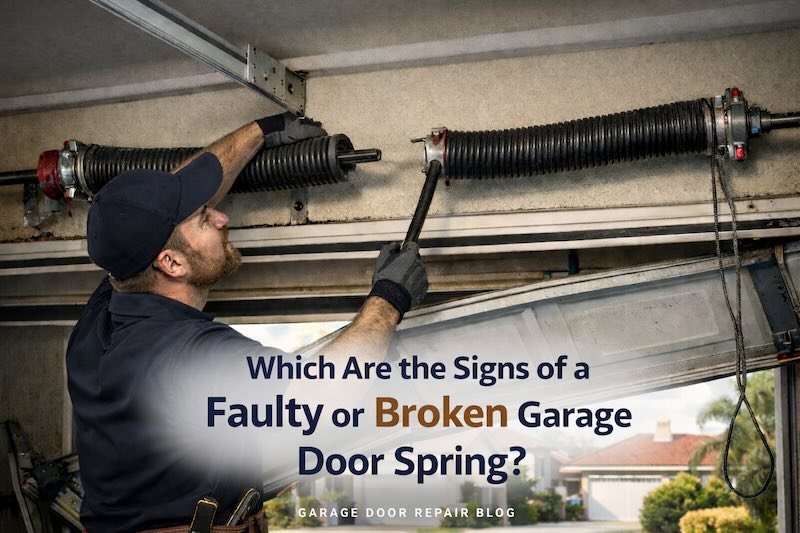
4. Broken Springs or Cables
This is serious.
Garage doors are heavy, sometimes over 200 pounds. Springs carry most of that weight. If a torsion spring snaps, the opener cannot lift the door.
Signs of a Broken Spring
Loud bang from the garage
Door lifts a few inches, then stops
Door feels extremely heavy when lifted manually
Visible gap in torsion spring above door
Do not attempt to replace springs yourself. They are under extreme tension. Injuries are common in DIY attempts.
In Los Angeles homes, especially older properties in neighborhoods like Sherman Oaks or Pasadena, original springs may be nearing the end of their cycle life.
5. Disconnected Emergency Release
Sometimes the issue is simpler than expected.
The red emergency cord disconnects the opener from the trolley. It allows manual operation during a power outage.
What Happens
The opener motor runs.
The chain or belt moves.
The door does not move.
This usually means the trolley is disengaged.
Fix
Pull the red cord toward the door.
Manually move the door until it reconnects to the carriage.
I have seen this happen after someone tests the manual mode during a blackout and forgets to reconnect it.
Common Garage Door Opener Problems
| Problem | Symptoms | DIY Fix? | Call Professional? |
|---|---|---|---|
| No Power | No lights, no response | Yes | If breaker keeps tripping |
| Dead Remote Battery | Wall switch works only | Yes | Rarely |
| Misaligned Sensors | Door reverses | Yes | If wiring damaged |
| Broken Springs | Door heavy, loud bang | No | Yes, immediately |
| Emergency Release Pulled | Motor runs, door does not move | Yes | No |
6. Worn-Out Gears or Failing Motor
This one usually shows up gradually. The opener starts sounding… different. Maybe a grinding noise. Maybe a hum without movement. At first you ignore it. The door still works. Mostly.
Typical Symptoms
Motor hums but door does not move
Grinding or clicking noise
Door moves a few inches and stops
Plastic shavings visible near opener housing
Inside many garage door openers is a drive gear, often nylon or plastic, that transfers motor power to the chain or belt system. Over time, especially in warmer Los Angeles garages, those gears can wear down.
Heat accelerates material fatigue. I have seen openers in areas like the San Fernando Valley fail faster than coastal ones, likely because enclosed garages trap heat. It is not officially documented everywhere, but it makes sense mechanically.
Can You Fix It Yourself?
Technically yes. Practically, most homeowners do not.
Replacing a stripped gear requires:
Disconnecting the opener
Removing the housing
Replacing the gear assembly
Re-lubricating components
If the motor itself is failing, replacement is usually more cost effective than repair.
7. Track Obstructions or Misalignment
Garage door tracks guide the rollers up and down. If the track bends or debris blocks it, the opener senses resistance and stops.
Signs of Track Problems
Door jerks while opening
Visible bending or gaps in track
Rollers popping or grinding
Door uneven when closing
In Los Angeles, minor earthquakes and even subtle foundation shifts can affect alignment over time. It is not dramatic, but small shifts can matter.
Dust, small stones, or even hardened grease buildup can also block smooth movement.
What You Can Do
Inspect tracks visually
Remove debris carefully
Tighten loose mounting brackets
What you should not do is force the door closed. Forcing can cause rollers to jump the track, which leads to more serious damage.
If a roller comes off track, this is a professional fix. Attempting to bend the track back yourself can weaken structural integrity.
Our garage door repair experts in Los Angeles handle off-track repairs frequently, especially in older detached garages.
8. Incorrect Limit Switch Settings
This issue is subtle and frustrating.
Limit switches tell your opener how far to travel when opening or closing. If misadjusted, the door may:
Stop too soon
Reverse immediately
Not fully close
Leave a small gap at the bottom
Sometimes homeowners adjust these accidentally. Sometimes vibration shifts them slightly over time.
How to Adjust
Most openers have:
Up limit adjustment screw
Down limit adjustment screw
Turning these in small increments adjusts travel distance. But here is where people get into trouble. Over-adjusting can cause the door to slam into the ground or strain against the frame.
It requires patience. Quarter turns. Test. Repeat.
If limit settings keep drifting, that may indicate internal mechanical wear.
Advanced Troubleshooting for Los Angeles Homeowners
Let’s say you checked power. Replaced batteries. Cleaned sensors. Inspected springs visually. And still nothing.
At this point, consider:
1. Logic Board Failure
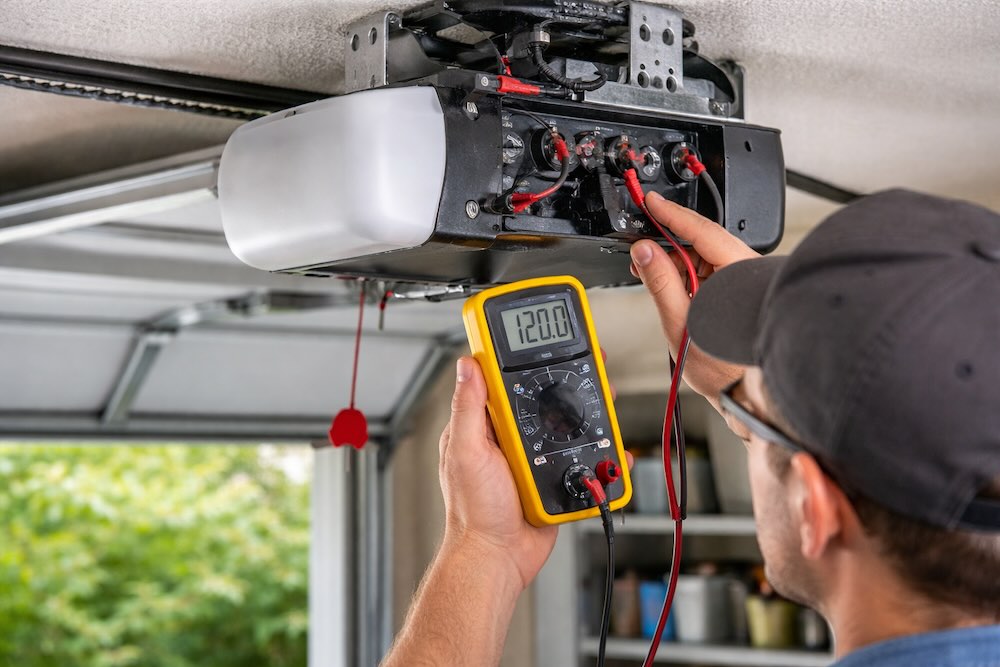
Power surges can damage circuit boards. If the opener lights function but controls behave erratically, the control board may be compromised.
2. Interference Issues
Los Angeles neighborhoods are dense. Radio frequency interference from nearby devices can disrupt remote signals.
3. Aging System
Garage door openers typically last 10 to 15 years. If yours predates smartphone integration, it may simply be nearing end of life.
Repair vs Replacement
| Issue | Estimated Repair Cost | Replacement Recommended? | Safety Risk |
|---|---|---|---|
| Sensor Alignment | Low | No | Low |
| Broken Spring | Moderate | No, unless system very old | High |
| Stripped Gear | Moderate | Sometimes | Medium |
| Logic Board Failure | Moderate to High | Often Yes | Medium |
| Full Motor Failure | High | Yes | Medium |
Preventive Maintenance Tips for Los Angeles Homes
Most garage door opener failures are preventable.
Monthly
Wipe safety sensors
Inspect cables visually
Test auto reverse function
Quarterly
Lubricate rollers and hinges
Check track alignment
Tighten hardware
Annually
Professional tune-up
Spring balance test
Motor inspection
A yearly inspection through Top Deal Garage Doors often prevents emergency breakdowns.
When to Stop Troubleshooting and Call a Professional
There is a line between reasonable DIY checks and unnecessary risk.
If your garage door opener is not working in Los Angeles and you notice any of the following, it is time to stop:
A snapped torsion spring
Frayed or loose lifting cables
Door feels extremely heavy
Loud grinding from motor housing
Door off track
Electrical burning smell
Garage systems operate under high tension. Springs alone can cause serious injury if mishandled. I have seen homeowners attempt spring replacement with online tutorials. It rarely ends well.
Los Angeles Specific Considerations
Living in Los Angeles adds unique variables:
Heat Exposure
In areas like Woodland Hills or the Valley, garage interiors can exceed 100 degrees. Heat accelerates wear on:
Plastic gears
Lubricants
Motor insulation
Coastal Corrosion
In Santa Monica, Venice, or Long Beach, salt air gradually corrodes metal components.
Foundation Shifts
Even minor seismic activity can affect:
Track alignment
Mounting brackets
Door balance
Garage systems are not isolated machines. They are attached to the structure. When the structure moves slightly, the system feels it.
Frequently Asked Questions
Why is my garage door opener humming but not opening?
This usually indicates:
Stripped internal gear
Broken torsion spring
Disconnected trolley
If the motor hums but the door does not move, inspect the spring above the door. If you see a visible gap in the coil, stop and call a professional.
Why does my garage door start closing and then reverse?
The most common cause is misaligned safety sensors. Clean the lenses and confirm both sensor indicator lights are steady.
Other causes include:
Limit setting misadjustment
Obstruction in track
Door balance issue
How long should a garage door opener last?
Most openers last 10 to 15 years with proper maintenance. In hotter parts of Los Angeles, lifespan can be slightly shorter due to environmental stress.
Is it safe to replace garage door springs myself?
No. Torsion springs are under extreme tension. Professional tools and training are required.
How much does garage door opener repair cost in Los Angeles?
Costs vary depending on the issue. Minor sensor alignment may be low cost. Motor replacement or spring repair is more substantial.
A diagnostic visit provides clarity before any commitment.
Final Thoughts
Garage door openers in Los Angeles commonly fail due to power issues, dead remote batteries, misaligned safety sensors, broken torsion springs, disconnected emergency releases, worn gears, track misalignment, or incorrect limit switch settings. Most minor issues can be resolved by checking power, replacing batteries, and cleaning sensors. However, broken springs, cable damage, and motor failure require professional repair due to safety risks.